
This article is for informational purposes only and does not constitute legal advice. Please consult a licensed attorney regarding your specific situation.
If you walked away from a “minor” car accident and are now dealing with back pain that won’t quit or headaches that show up out of nowhere, you’re not imagining things, and you’re not alone. Every day, people across Missouri, from St. Louis to Kansas City to Springfield, describe their crash the same way: “It was just a fender bender.” But minor car accident injuries are far more common, and far more serious than the term “minor” suggests. This post breaks down why small-impact crashes can cause real harm, what symptoms to watch for, and what steps you may want to consider next.
Why We Call Some Accidents “Minor” (And Why That Word Can Be Misleading)
The word “minor” usually describes the accident, not the injury. Police reports, insurance companies, and even bystanders often label a crash “minor” based on visible vehicle damage. A dented bumper, a cracked taillight, no airbag deployment. But the human body doesn’t measure impact the same way a body shop does.
A car can absorb a low-speed collision with barely a scratch while the people inside experience a rapid, forceful jolt to the neck, spine, or head. That’s the gap between “minor” on paper and what you might actually be feeling.
The Injuries Hiding Behind “Minor” Crashes
Some of the most common injuries from low-speed or seemingly small collisions include:
-
Whiplash and neck strain — often the most common injury in rear-end collisions, even at speeds under 10 mph
-
Soft tissue injuries — sprains, strains, and ligament damage that don’t show up on standard X-rays
-
Mild traumatic brain injury (concussion) — possible even without hitting your head directly on anything
-
Herniated or bulging discs — can result from sudden compression or twisting of the spine
-
Lingering headaches — sometimes a sign of whiplash, concussion, or tension from muscle trauma
None of these requires a dramatic crash to occur. In fact, research on low-speed collisions has shown that vehicle damage and human injury don’t always correlate. A car can look fine while the occupants are hurt.
Why Symptoms Show Up Days or Weeks Later
One of the most confusing parts of a “minor” accident is the delay. It’s common to feel fine, even relieved right after a crash, only to wake up two or three days later with stiffness, pain, or headaches that keep building.
This happens for a few reasons:
-
Adrenaline masks pain. In the moments after a crash, your body releases adrenaline and other stress hormones that can temporarily dull pain signals.
-
Inflammation takes time to develop. Soft tissue damage often doesn’t cause noticeable swelling or stiffness until 24–72 hours later.
-
Some injuries are simply hard to feel at first. Nerve irritation, disc issues, and mild concussions can present subtly, especially if you’re distracted by insurance calls, work, or caring for family right after the accident.
If you’re a few days out from a crash and just starting to feel “off,” this delayed timeline is a big reason why.
Signs Your “Minor” Accident May Not Be So Minor
Consider seeking medical attention if you notice any of the following in the days or weeks after a crash:
-
Neck or back pain that doesn’t improve, or gets worse
-
Headaches that are new, frequent, or unusually intense
-
Numbness, tingling, or weakness in your arms or legs
-
Difficulty concentrating, memory issues, or unusual fatigue
-
Dizziness or balance problems
-
Pain that radiates or shifts location over time
Even if these symptoms feel manageable, it’s generally a good idea to get evaluated by a medical professional rather than waiting to see if things improve on their own.
What to Do If You’re Dealing With Delayed Symptoms
If you’re in this situation, here’s general information that may help as you figure out your next steps:
-
See a doctor, even if time has passed. It’s a common misconception that you need to seek care immediately for symptoms to “count.” A medical evaluation now still matters both for your health and for creating a record of your condition.
-
Keep records of everything. Save medical bills, appointment notes, photos, and a simple journal of your symptoms and how they affect your daily life.
-
Be cautious with insurance conversations. Insurance adjusters may downplay a “minor” accident. You are not obligated to accept an early settlement offer or make recorded statements without understanding your options first.
A Note for Missouri Residents
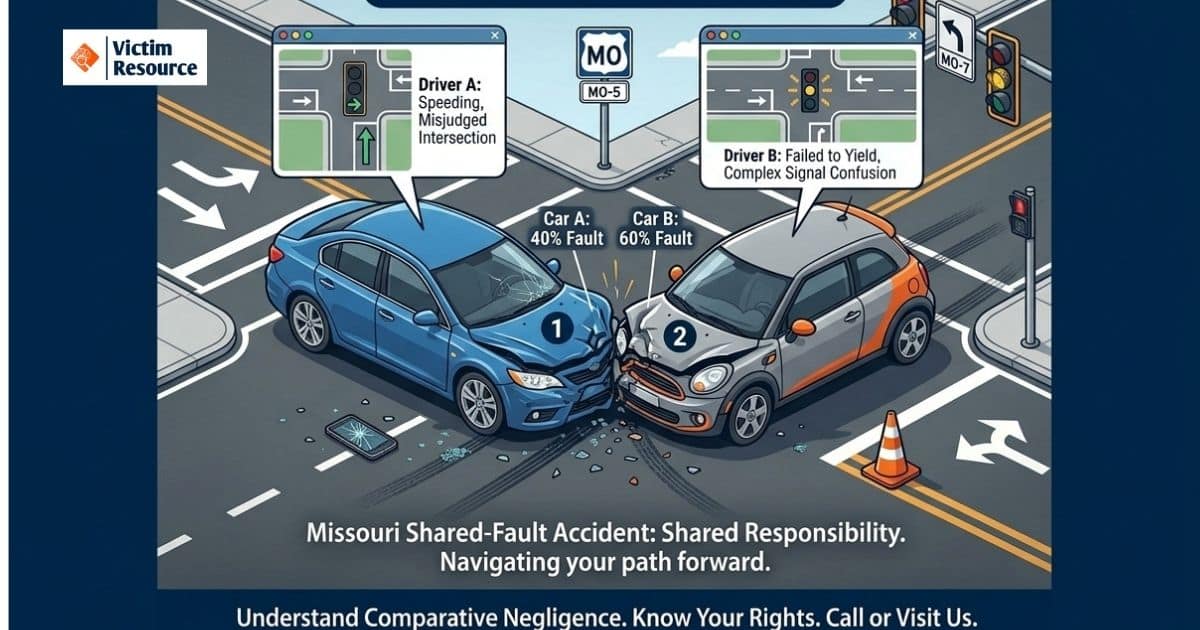
Missouri follows a modified comparative fault system for accident-related claims, and there are specific timelines (statutes of limitations) that can affect your options depending on your situation. General rules like these can be complex and fact-specific, so if you’re trying to understand how Missouri law might apply to your circumstances, an attorney can help you understand your specific situation.
FAQs
Q: Can a low-speed accident really cause serious injury?
Yes. Vehicle damage and physical injury don’t always match up. Whiplash, soft tissue damage, and even mild concussions can occur in accidents that cause little to no visible vehicle damage.
Q: I feel fine after my accident; should I still see a doctor?
It’s generally a good idea to get checked out, even if you feel okay. Adrenaline can mask pain in the first 24–72 hours, and some injuries take days to become noticeable.
Q: How long after an accident can symptoms appear?
Symptoms like headaches, stiffness, and back pain can appear anywhere from a few hours to several weeks after a crash. This is one reason ongoing symptom tracking matters, even if you initially felt fine.
Q: Will the insurance company believe my injury is serious if my car wasn’t badly damaged?
Insurance companies sometimes use minimal vehicle damage to question the severity of an injury claim. This is one reason many people choose to consult an attorney, who can help them understand how to document and present their situation.
Q: What should I do if my symptoms are getting worse weeks after the accident?
Consider scheduling a medical evaluation as soon as possible and keeping detailed notes on your symptoms. You may also want to consider speaking with an attorney to understand your options, especially if the delay is affecting how the accident is being handled.
Conclusion
A “minor” accident is a description of your vehicle’s damage, not a diagnosis. If you’re dealing with back pain, headaches, or other symptoms that started after a crash you were told wasn’t a big deal, it’s worth taking those symptoms seriously and getting evaluated. Understanding your options early, before insurance deadlines or pressure to settle come into play, can make a real difference. Explore our other resources to learn more about next steps after an accident, or consult a licensed attorney to discuss your specific situation.
Disclaimer: This article is for informational purposes only and does not constitute legal advice. Please consult a licensed attorney regarding your specific situation.