

After a car crash, an injury, or a medical experience that went wrong, you may suddenly have a lot of questions. Many people ask the same one first: “What exactly happened, and where is it written down?”
The answer is often in your medical records. If you need to request medical records in Missouri, the process is more straightforward than it looks. You generally have a legal right to see and get copies of your own health information.
This guide explains who can ask for records, how to make the request, what to expect on timing and cost, and what to do if you hit a roadblock. It is general information only, so you can feel more prepared and less overwhelmed.
Why Your Medical Records Matter
Your medical records are the official written story of your care. They can include:
- Doctor and nurse notes
- Diagnoses and test results
- Imaging such as X-rays, CT scans, and MRIs
- Medication and treatment histories
- Surgical and operative reports
- Discharge summaries and billing records
People request records for many reasons. You may want to:
- Understand a diagnosis or treatment
- Share information with a new doctor or get a second opinion
- Keep organized after a car accident or other injury
- Review care you received and ask questions about it
- Provide documentation to an insurance company
If you are dealing with an injury or a possible medical error, accurate records can also help an attorney understand what happened. An attorney can explain how records may or may not matter to your situation.
Do You Have the Right to Your Medical Records in Missouri?
In general, yes. Two layers of law usually apply:
- Federal law (HIPAA). The HIPAA Privacy Rule gives most patients a right to inspect and obtain copies of their health information from covered providers, such as doctors, hospitals, and clinics.
- Missouri law. State law also addresses patient access to records and what providers may charge for copies.
There are limited exceptions. For example, certain psychotherapy notes or information compiled for legal proceedings may be handled differently. If a provider says it can’t release something, you can ask for the reason in writing.
Who Can Request Medical Records in Missouri?
Not just the patient. A request may come from:
- The patient (an adult requesting their own records)
- A parent or legal guardian of a minor
- A legally authorized representative, such as someone with a valid power of attorney or court-appointed authority
- A personal representative of a deceased patient, which may require documentation such as a death certificate and proof of your authority
- A person you authorize in writing, such as a family member, a new doctor, or an attorney
If you are asking on behalf of someone else, expect to provide proof of your relationship or authority. Rules for minors and deceased patients can be nuanced, so call the provider’s records department to ask what they require.
Step-by-Step: How to Request Your Medical Records
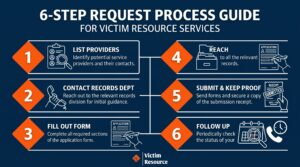
Step 1: Identify Every Provider Who Treated You
Make a list of each place that may hold records. After an accident, that could include:
- The ambulance or EMS service
- The emergency room or hospital
- Your primary care doctor
- Specialists such as orthopedists, neurologists, or surgeons
- Physical therapy and rehabilitation providers
- Imaging centers and pharmacies
Each provider keeps its own records, so you will usually make a separate request to each one.
Step 2: Contact the Medical Records Department
Most hospitals have a department called Health Information Management (HIM) or Medical Records. Smaller offices may handle requests at the front desk. Many providers now offer online patient portals, which can be the fastest way to download recent records.
Ask:
- Do you have a records request form?
- Can I submit it online, by fax, by mail, or in person?
- What identification do you need?
- What are the fees, and can I get an electronic copy?
Step 3: Complete a Written Authorization or Request Form
Providers typically ask for a signed authorization form. A Missouri medical records request form usually asks for:
- Your full name, date of birth, and contact information
- The dates of service you want (for example, “March 1 to June 30, 2026”)
- The type of records you want (complete chart, imaging only, billing records, and so on)
- Who should receive the records (you, a new doctor, or someone else you authorize)
- Your signature and the date
Tip: Be specific about what you want. If you want your complete record, say so. If you only want imaging, ask for the actual image files on disc in addition to the written report.
Step 4: Submit the Request and Keep Proof
Send your request in a way you can document. Save a copy of everything you submit, and write down the date, time, and name of anyone you speak with. If you mail it, consider a method that provides a delivery confirmation.
Step 5: Follow Up
If you have not heard back within a couple of weeks, call to check on the status. Polite persistence usually helps.
How Long Does It Take to Get Medical Records in Missouri?
Timing can vary by provider and by how much information you request. Under federal HIPAA rules, providers are generally expected to respond to access requests within 30 days, with the possibility of a limited extension if they notify you in writing. Missouri law also expects providers to respond within a reasonable time.
Simple requests, such as a recent visit summary through a patient portal, can be nearly immediate. Large hospital charts, older records, or records stored off-site may take longer.
If you need records urgently, for example for a specialist appointment, tell the records department. Many can expedite for ongoing care.
How Much Does It Cost to Get Medical Records in Missouri?
Providers may charge a reasonable fee for copies. Missouri sets guidelines on what can be charged, and those amounts are adjusted periodically, so check current figures rather than relying on an old number.
Costs commonly depend on:
- The number of pages
- Whether records are paper or electronic
- Charges for imaging copies
- Postage, if mailed
Some things to know:
- Under HIPAA, fees for copies of your own records are generally limited to reasonable, cost-based amounts.
- You usually should not be charged for simply viewing your records.
- Electronic copies are often cheaper or easier to get than paper.
- Ask for an itemized estimate before you approve the request. If cost is a concern, ask whether you can narrow the request to the most important dates or documents.
What to Do If Your Request Is Delayed or Denied
Don’t panic. Here are some general steps to consider:
- Ask for the reason in writing. A denial or delay should have an explanation.
- Check your paperwork. Missing signatures, unclear dates, or an unverified ID are common causes.
- Escalate politely. Ask to speak with the HIM supervisor or the facility’s privacy officer.
- Submit a complaint if needed. You can file a complaint about a HIPAA access issue with the U.S. Department of Health and Human Services Office for Civil Rights.
- Speak with a licensed attorney. An attorney can help you understand your options if a provider is not responding or if you believe a deadline is approaching.
Medical Records After an Accident or Possible Medical Malpractice
If you were hurt in a car crash or another accident, or you are concerned about the care you received, organized records can make conversations with doctors, insurers, and attorneys much easier.
Here is some general information to keep in mind:
- Request early. Records can take time to gather, and some providers have limits on how long they retain older files.
- Request complete records. Notes, test results, imaging, nursing records, and billing statements can all tell part of the story.
- Don’t alter anything. Keep your copies exactly as received.
- Keep your own journal. Write down symptoms, appointments, missed work, and how your injuries affect daily life.
- Be aware of time limits. Missouri has legal deadlines, called statutes of limitations, for filing certain claims. They can differ depending on the type of claim, and the rules can be complicated. An attorney can help you understand which deadlines may apply to you.
Please note that Victim Resource is not a law firm and cannot tell you whether you have a claim. We can help you understand your options and point you toward appropriate support.
Tips for Staying Organized
- Create a folder (paper or digital) for each provider.
- Label documents by date and provider.
- Keep a list of every request you submitted and when.
- Store a backup copy in a secure place.
- Share records only with people you trust and have authorized.
Frequently Asked Questions
How do I request my medical records in Missouri?
Contact the medical records or Health Information Management department of each provider, complete their written authorization or request form, and submit it with identification. Many providers also let you download records through an online patient portal.
How long does a hospital have to release medical records in Missouri?
Federal HIPAA rules generally expect providers to respond to access requests within 30 days, with a possible one-time extension if you are notified in writing. Missouri law also calls for a response within a reasonable time. Timing can vary, so ask the provider what to expect.
Can I get my medical records for free in Missouri?
Often not entirely. Providers may charge a reasonable, limited fee for copies, though fees vary and some electronic or portal access is free. Ask for a fee estimate before you authorize the request.
Can a family member request my medical records?
Only if you authorize it in writing, or if they are your legal representative. For minors and deceased patients, specific rules apply, and providers typically ask for proof of authority.
Do I need an attorney to request my medical records?
No. As a patient, you generally have the right to request your own records. An attorney can help if you are dealing with delays or denials, or if you want to understand how your records relate to a possible legal claim.
Conclusion
Requesting your medical records in Missouri comes down to a few steps: identify your providers, complete the request forms, submit them with proof of identity, and follow up. Expect responses within about 30 days, ask about fees upfront, and keep your own organized copies.
If you’ve been hurt in an accident or are worried about the care you received, you don’t have to figure everything out alone. An attorney can help you understand your options and your deadlines.
Need help finding next steps? Contact Victim Resource today to be pointed toward trusted resources and support in Missouri.
This article is for informational purposes only and does not constitute legal advice. Please consult a licensed attorney regarding your specific situation.